AI Integration Services Company
Connect AI to the software you already run. We integrate LLMs, RAG, AI agents, automation, document intelligence, and intelligent search into applications, APIs, data systems, CRM, ERP, and business workflows without forcing a disruptive rebuild.
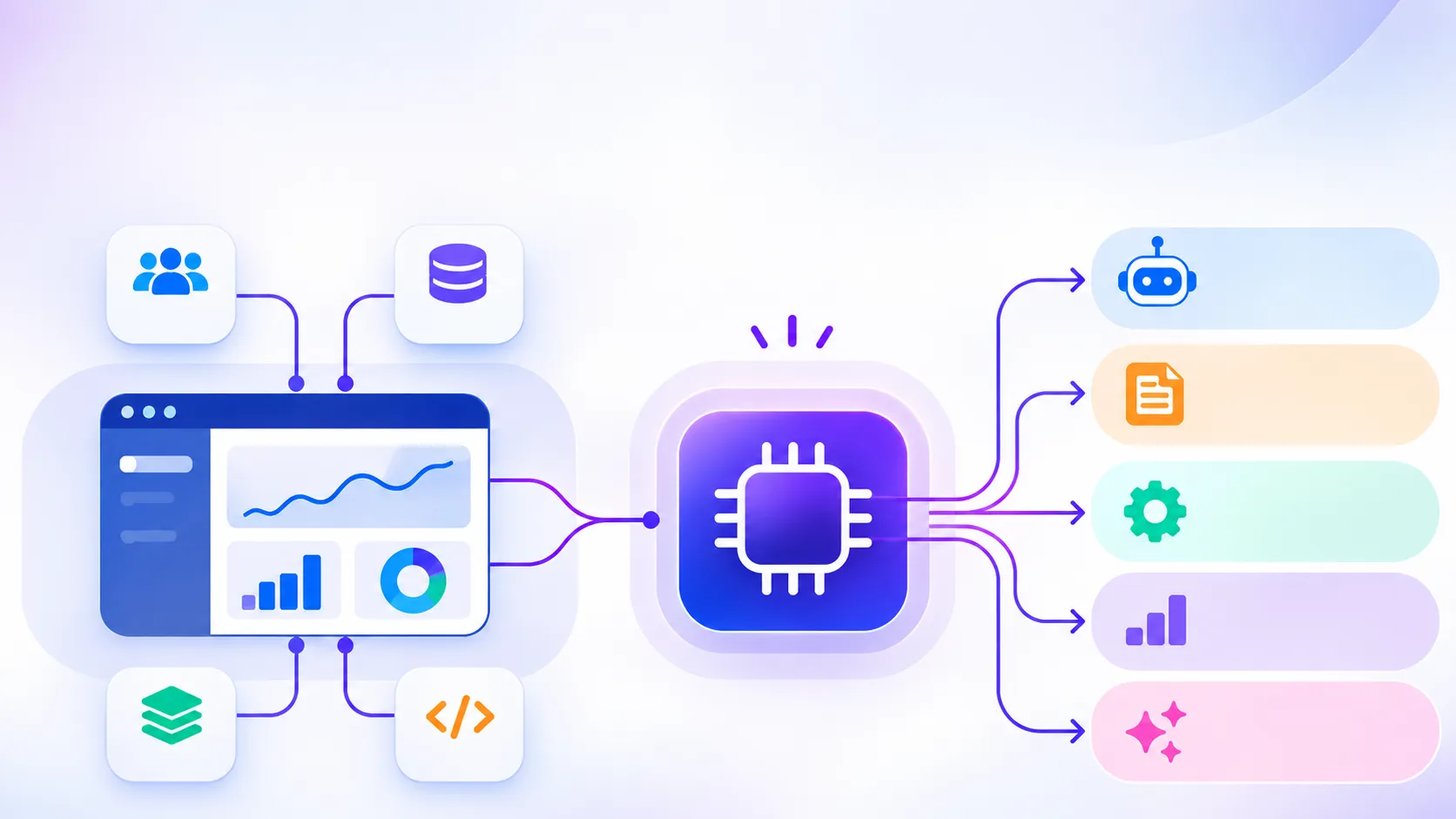
What AI Integration Actually Means for Your Business
AI integration is the engineering work required to make AI useful inside software your business already depends on. Instead of treating AI as a separate chatbot or experiment, we connect models and intelligent capabilities to the systems, data, permissions, workflows, and user experiences that already run your operations.
That can mean adding an AI copilot to a customer portal, connecting an LLM to internal knowledge through retrieval-augmented generation, giving an AI agent controlled access to APIs, embedding document extraction into an approval workflow, or using AI to search, classify, summarize, recommend, forecast, and automate work across an existing platform.
The goal is not simply to call an AI model. The goal is to create a reliable path between business context and the model so AI can use the right information, take the right actions, respect access rules, and remain observable after launch.
Built Around Your Existing Stack
Who Needs AI Integration Services?
AI integration is most valuable when a business already has software, data, and workflows that work—but wants those systems to become more intelligent without replacing them.
SaaS and software companies
Add AI features to an existing product without fragmenting the user experience or creating a second application customers have to manage.
Enterprises with legacy platforms
Connect modern AI services to older systems through APIs, middleware, events, and adapters instead of rewriting the entire application.
Teams with valuable internal data
Turn documents, CRM records, operational data, and structured databases into usable context for search, copilots, automation, and decision support.
Operations-heavy businesses
Use AI inside document processing, ticket handling, lead qualification, compliance checks, forecasting, reporting, approvals, and other repeatable workflows.
Product teams adding AI features
Move from proof-of-concept models to production features with authentication, evaluation, fallbacks, cost controls, and observability.
Businesses modernizing software
Introduce intelligence during modernization so AI becomes part of the target architecture rather than another isolated layer added later.
AI Integration Services
Our AI Integration Services
We cover the integration layers between AI capabilities and the applications, data, infrastructure, and workflows that power your business.
Custom AI Application Integration
Embed AI into web applications, mobile apps, portals, dashboards, and internal tools so users can access intelligence where work already happens.
AI API Integration
Connect AI models through secure APIs, middleware, webhooks, event-driven services, and backend orchestration while keeping business logic independent from a model provider.
LLM Integration Services
Integrate language models with routing, prompt management, context handling, rate limits, fallbacks, and production observability.
RAG Integration Services
Connect models to trusted business knowledge using embeddings, vector search, metadata filtering, access-aware retrieval, citations, and response controls.
AI Agent Integration Services
Give AI agents controlled access to business tools, APIs, databases, and workflows so they can perform approved actions rather than only generate text.
Generative AI Integration
Introduce AI generation for text, documents, summaries, recommendations, knowledge work, content operations, and multimodal experiences.
AI Workflow Automation
Connect AI to routing, classification, enrichment, approvals, notifications, CRM updates, ticket workflows, and document processes.
CRM & Sales AI Integration
Bring AI into account research, lead enrichment, customer summaries, sales assistance, support workflows, and next-best actions.
ERP & Operational AI Integration
Connect AI with finance, procurement, inventory, operations, supply chain, and enterprise workflows to surface insights and automate selected decisions.
Document Intelligence Integration
Add extraction, classification, summarization, validation, and structured data generation to document-heavy business processes.
AI Search & Recommendation Integration
Add semantic search, natural-language discovery, recommendations, ranking, and contextual retrieval to commerce, knowledge, content, and SaaS experiences.
AI Evaluation & Monitoring Integration
Measure quality, latency, cost, hallucination risk, tool failures, retrieval quality, and user outcomes after release.
Integration Architecture
Where We Integrate AI in Your Technology Stack
Different AI projects need different integration points. We choose the smallest reliable change that creates a useful production pathway.
Application Layer
AI appears where users already work.
Integrate AI Without Rebuilding the Software That Already Works
A common mistake is to treat AI adoption as a reason to replace an entire application. In many cases, the better engineering decision is incremental integration: preserve the stable core of the product, introduce an AI service at the right boundary, and expand only after the integration proves its value.
An existing CRM can gain an AI account-summary layer without replacing the CRM. A customer portal can gain conversational search without rebuilding its data model. An ERP can add document extraction through APIs and workflow orchestration. A SaaS product can add RAG or an AI copilot while retaining its existing authentication, billing, permissions, and user model.
This approach reduces migration risk and creates a practical path from one high-value AI capability to a broader AI-enabled product architecture.
Business Use Cases
What Can AI Integration Do Inside Your Business?
The right integration starts with a business problem, not a model. We prioritize capabilities that connect directly to measurable workflows and user outcomes.
Customer Support Copilots
Summarize conversations, retrieve knowledge, draft replies, classify tickets, recommend actions, and hand complex cases to humans with context intact.
Enterprise Knowledge Search
Let employees ask natural-language questions across approved documents, policies, records, and knowledge sources instead of searching multiple systems manually.
Document Processing
Extract structured information from invoices, contracts, applications, reports, and other documents and push validated outputs into existing workflows.
Sales Intelligence
Enrich leads, summarize accounts, analyze conversations, generate next-step suggestions, and connect AI insights to CRM workflows.
Workflow Automation
Use AI for classification, routing, enrichment, approvals, data lookups, and selected actions that previously required repetitive manual work.
Product Discovery & Recommendations
Add semantic search, natural-language product discovery, recommendations, and intelligent filtering to commerce and content platforms.
Decision Support
Combine structured business data with AI interfaces to accelerate analysis, reporting, scenario exploration, and operational decisions.
Developer & Internal Copilots
Integrate AI into engineering and internal workflows for knowledge retrieval, documentation, code assistance, incident analysis, and operational support.
How We Design an AI Integration Architecture
A production AI integration is more than a model endpoint. It needs a controlled path between users, application logic, AI orchestration, business data, external tools, and operational systems.
We create clear boundaries between the user experience, existing application services, AI orchestration, retrieval or tool-calling logic, model providers, and observability. This makes it easier to change models, isolate failures, test individual components, and evolve the integration without destabilizing the core application.
For RAG use cases, the architecture can include ingestion, chunking, embeddings, metadata, access-aware retrieval, reranking, prompt construction, generation, citations, and evaluation. For agent workflows, it can include tool permissions, state, retries, human approval, and audit trails.
Integration Patterns
Common AI Integration Patterns We Use
We choose the pattern based on system boundaries, risk, data sensitivity, traffic, and how much autonomy the AI capability needs.
API-Based Integration
Expose AI capabilities behind secure service boundaries and connect them to existing frontend and backend applications without coupling the product to a single provider.
Event-Driven AI Processing
Use queues, events, and asynchronous workers for long-running or high-volume workloads such as document processing, enrichment, batch analysis, and automation.
RAG & Knowledge Integration
Connect AI to trusted business information with retrieval pipelines that respect source metadata, permissions, freshness, and grounding requirements.
Tool-Using Agent Integration
Give agents narrowly scoped access to APIs and tools with explicit permissions, validation, timeouts, human approvals, and auditability.
AI Middleware Layer
Introduce an integration service that abstracts model providers, manages policies, standardizes telemetry, and protects the core product from provider-specific changes.
Cloud-Native AI Integration
Deploy integration components using containers, serverless services, managed databases, queues, and observability systems suited to the workload.
Security & Governance
AI Integration Built for Security, Access Control, and Operational Trust
AI should inherit your application's security model rather than bypass it. We design integration pathways around data protection, permissions, observability, and controlled failure modes.
Data Protection
Protect sensitive inputs and outputs with encryption, data minimization, provider controls, redaction where required, and clear boundaries around what information reaches a model.
Identity & Access
Connect AI actions to existing authentication and authorization controls so users and agents only access data and tools they are permitted to use.
Prompt & Tool Guardrails
Use input validation, policy checks, tool permissions, output validation, rate limits, and human approval for higher-risk actions.
Auditability
Capture the events needed to understand which user or workflow triggered an AI action, which data path was used, what tools were called, and what happened next.
Failure Isolation
Design timeouts, retries, fallbacks, circuit breakers, and graceful degradation so an AI provider failure does not take down the core application.
Evaluation & Continuous Review
Monitor quality and behavior after launch so model, data, and workflow changes can be evaluated before they create production regressions.
The Data Layer Is the Difference Between a Demo and a Useful AI System
AI integration quality depends heavily on the information surrounding the model. When business data is fragmented, stale, poorly permissioned, or difficult to retrieve, even a strong model can produce weak results.
We work across structured and unstructured sources such as PostgreSQL, MongoDB, SaaS APIs, documents, knowledge bases, CRM records, ERP data, event streams, and cloud storage. Depending on the use case, the integration may require ETL/ELT pipelines, metadata enrichment, embeddings, vector search, semantic indexing, caching, or real-time synchronization.
The objective is not to move every piece of company data into an AI system. It is to make the right information available at the right time, in the right form, with the right permissions.
AI Quality Engineering
We Engineer for Evaluation, Observability, and Continuous Improvement
A successful AI integration should be measurable after launch. We define quality signals before production so teams can distinguish model problems from data, retrieval, workflow, or application problems.
Functional Evaluation
Test whether the integrated AI capability completes the intended business task and handles expected edge cases.
Retrieval Quality
For RAG systems, evaluate whether the right documents or records are retrieved, grounded, permission-aware, and sufficiently fresh.
Safety & Policy Testing
Test prompt injection, unauthorized tool use, sensitive data exposure, unsafe outputs, and other integration-specific risks.
Latency & Cost Monitoring
Track response time, token usage, model cost, queue time, cache behavior, and other signals that affect unit economics.
Business Outcome Tracking
Connect AI usage to measures such as resolution time, conversion, processing time, assisted task completion, or productivity.
Regression & Release Controls
Create repeatable evaluation datasets and release checks so model, prompt, retrieval, or workflow changes are validated before wider rollout.
Choosing the Right Approach
Which AI Integration Approach Fits Your Use Case?
Not every AI requirement needs a full agent or a large retrieval platform. Starting with the simplest architecture that can meet the business requirement usually reduces cost and risk.
AI API Integration
Best for: single-purpose AI features. Typical integration: application + model API. Complexity: Low.
LLM + RAG
Best for: knowledge-intensive experiences. Typical integration: business data + retrieval + LLM. Complexity: Medium.
AI Workflow Automation
Best for: repeatable operational tasks. Typical integration: AI + APIs + events + business rules. Complexity: Medium.
AI Agent Integration
Best for: multi-step actions with controlled tools. Typical integration: agent + tools + permissions + state. Complexity: High.
Our AI Integration Process
We understand the current system first, then introduce AI through controlled integration points that can be validated before wider rollout.
Discovery & AI Opportunity Mapping
Understand the product, users, workflows, data sources, pain points, and business goals. Identify high-value AI opportunities and define measurable outcomes.
Existing-System Audit
Review APIs, architecture, data models, authentication, infrastructure, integrations, and technical constraints that may affect the AI integration.
Use-Case & Model Selection
Compare solution patterns and model options against quality, latency, privacy, cost, context, and workflow requirements rather than choosing a model first.
Integration Architecture
Define the boundaries between the existing application, AI orchestration, retrieval or tools, model providers, data systems, and observability.
Data & Context Layer
Prepare the data flows required for the use case, including retrieval, ingestion, metadata, permissions, synchronization, or structured API access.
Prototype the Critical Path
Build a focused proof around the highest-value workflow so the team can validate usefulness, integration assumptions, quality, and operational cost early.
Production Engineering
Add authentication, rate limits, retries, fallbacks, logging, evaluation, caching, queues, monitoring, and infrastructure appropriate for the workload.
System & Security Testing
Test functional behavior, permissions, retrieval quality, prompt and tool risks, latency, failure handling, and compatibility with the existing system.
Controlled Deployment
Release through staged environments, feature flags, limited user groups, or monitored rollout patterns so the existing experience remains protected.
Monitoring & Optimization
Track quality, cost, performance, adoption, and business outcomes, then refine prompts, retrieval, routing, caching, workflows, or models as evidence accumulates.
AI Integration Technology Stack
We choose the technology based on the integration requirement rather than forcing every project into the same stack.
AI Integration for Legacy Software and Modernization Programs
Legacy architecture does not automatically disqualify a platform from AI adoption. The practical question is where a stable integration boundary exists and whether the existing system can expose the data or actions the AI capability needs.
We can introduce API adapters, integration services, queues, event handlers, background workers, or dedicated AI middleware around older applications. That allows new AI capabilities to evolve without forcing the business to replace a system that still handles critical operations reliably.
For modernization programs, AI integration can become part of the broader target architecture: legacy systems remain connected where necessary while new services gradually take over selected workflows.
Industries & Use Cases
AI Integration Across Business Functions and Industries
Implementation changes with the domain, data, risk profile, and workflow—but the integration principle remains the same: connect AI to real business context.
Healthcare
Clinical documentation support, knowledge retrieval, patient communication, document workflows, and operational automation with appropriate privacy controls.
Finance & FinTech
Document intelligence, support automation, risk workflows, knowledge systems, transaction analysis, and analyst assistance.
E-commerce & Retail
Semantic product discovery, recommendations, customer support, catalog enrichment, demand insights, and marketing workflows.
Logistics & Supply Chain
Document processing, shipment intelligence, support automation, routing assistance, operational search, and exception handling.
Manufacturing
Knowledge assistants, quality workflows, maintenance support, document intelligence, and operational decision support.
Real Estate
Property knowledge search, document extraction, lead intelligence, customer support, and workflow automation.
Education
Knowledge assistants, personalized support, document workflows, content operations, and administrative automation.
Professional Services
Research copilots, document analysis, proposal support, internal knowledge search, client communication, and workflow automation.
When AI Integration Makes Sense
Do You Need AI Integration—or a New AI Product?
AI integration is often the better path when the business already has valuable software, users, data, and workflows. A new AI product makes more sense when AI itself is the core customer value.
Your existing product already works
Add intelligence at the point of value instead of replacing stable functionality.
Your data already lives in business systems
Connect AI to trusted sources rather than creating another disconnected data silo.
Rollout risk matters
Stage the change around existing architecture, permissions, users, and workflows.
AI is the core product itself
When the experience and economics are fundamentally AI-native, a dedicated AI product architecture may be more appropriate.
Why Choose Axora for AI Integration Services?
AI integration sits between software engineering, data engineering, application architecture, cloud infrastructure, and AI engineering. The integration team therefore needs to understand more than the model itself.
Axora approaches AI integration from the existing system outward. We look at application boundaries, APIs, databases, workflows, cloud infrastructure, permissions, and user experience before choosing the implementation pattern.
Our engineering background across Node.js, React, Next.js, Python, PostgreSQL, MongoDB, Redis, AWS, Google Cloud, Docker, messaging systems, and AI application patterns gives us a practical foundation for connecting AI to production software rather than stopping at a demo.
The result is an integration designed around your existing architecture, users, and business outcome.
Engineering Principles
What We Optimize for in Every AI Integration
The best integration is not the one with the most AI components. It is the one that creates useful capability while remaining understandable, secure, measurable, and maintainable.
Business Fit
Every integration starts with a measurable job to be done and a clear reason the AI capability belongs in the workflow.
Modular Architecture
Integration components are separated so models, providers, retrieval systems, and business logic can evolve without unnecessary rewrites.
Controlled Access
Data and tool access follow explicit permissions and policy boundaries instead of giving AI unrestricted access to the stack.
Observable Production
Quality, latency, cost, failures, and user outcomes remain visible after launch so the system can improve over time.
Scalable Delivery
The integration is designed for the expected workload, from a focused feature to a multi-workflow enterprise deployment.
Maintainability
Prompts, policies, model adapters, retrieval logic, and workflows are organized so teams can operate and improve the system after handoff.
Related Services
Build More With AI
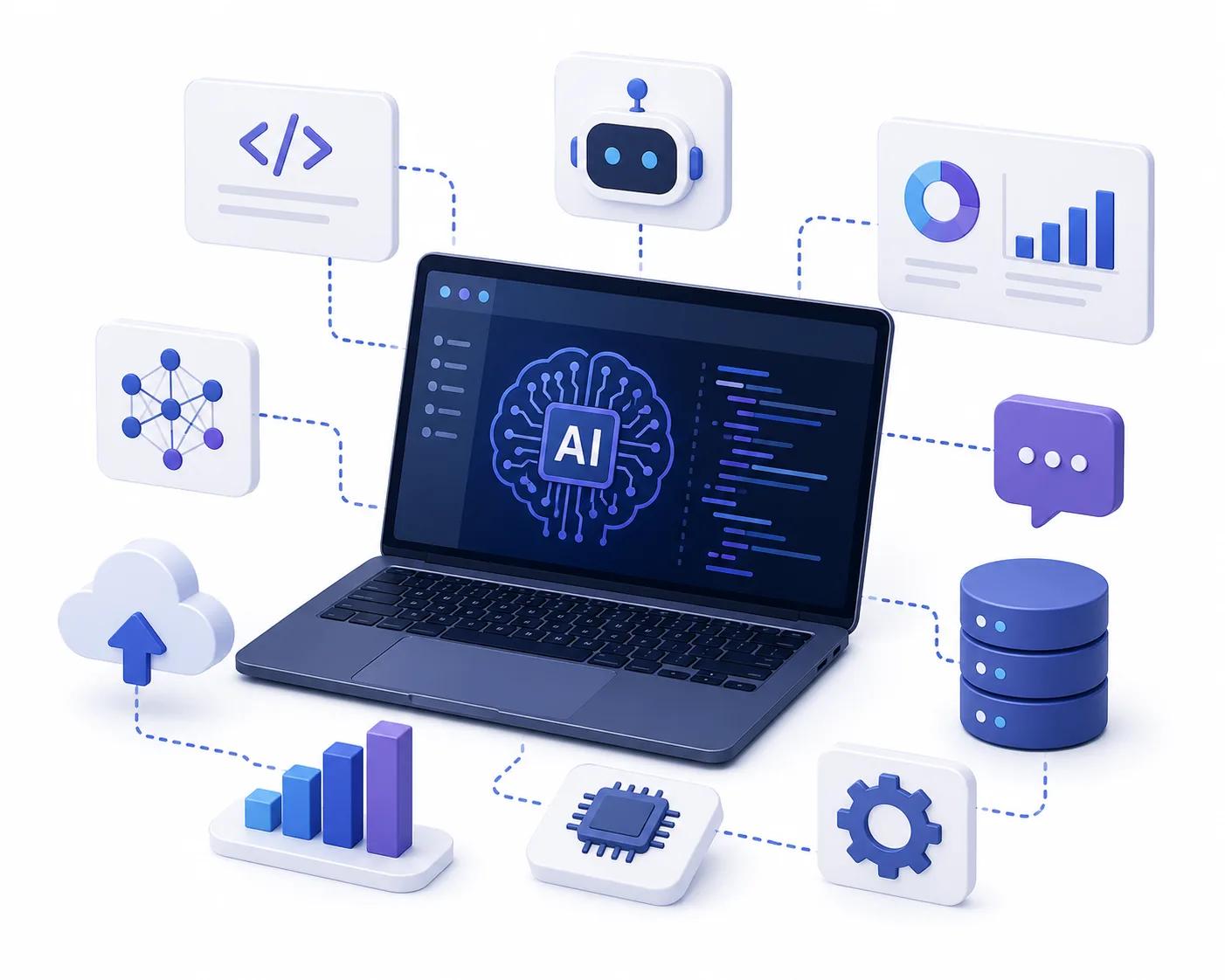
AI Product Engineering
Design and ship AI-first products using LLMs, computer vision, and predictive analytics—productionized with secure, observable, and scalable pipelines.
Learn more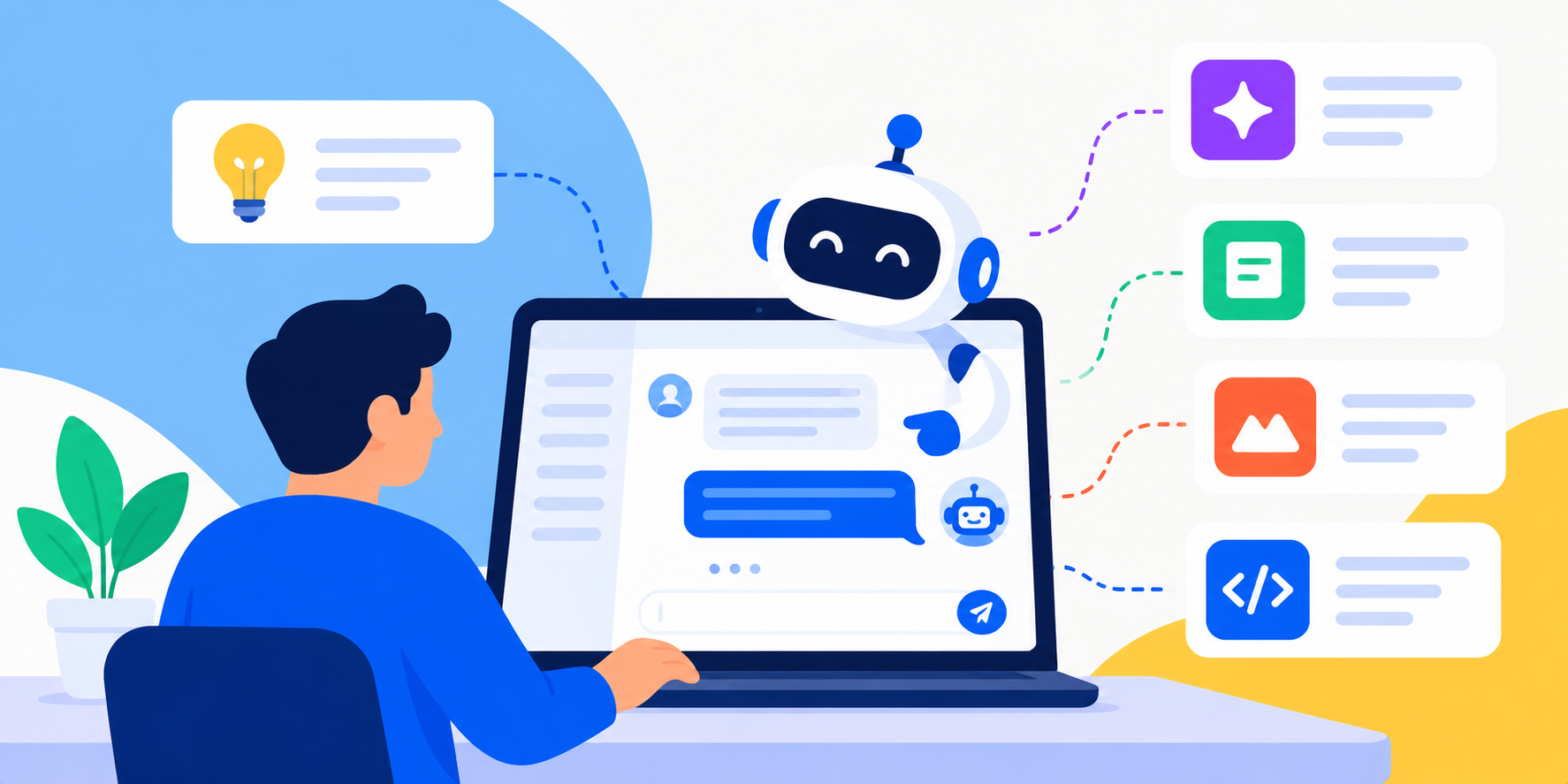
Generative AI Development Company
Build production-ready generative AI applications for content, knowledge, customer support, software, commerce, and business workflows with LLMs, multimodal AI, RAG, structured generation, evaluation, security, and scalable product engineering.
Learn more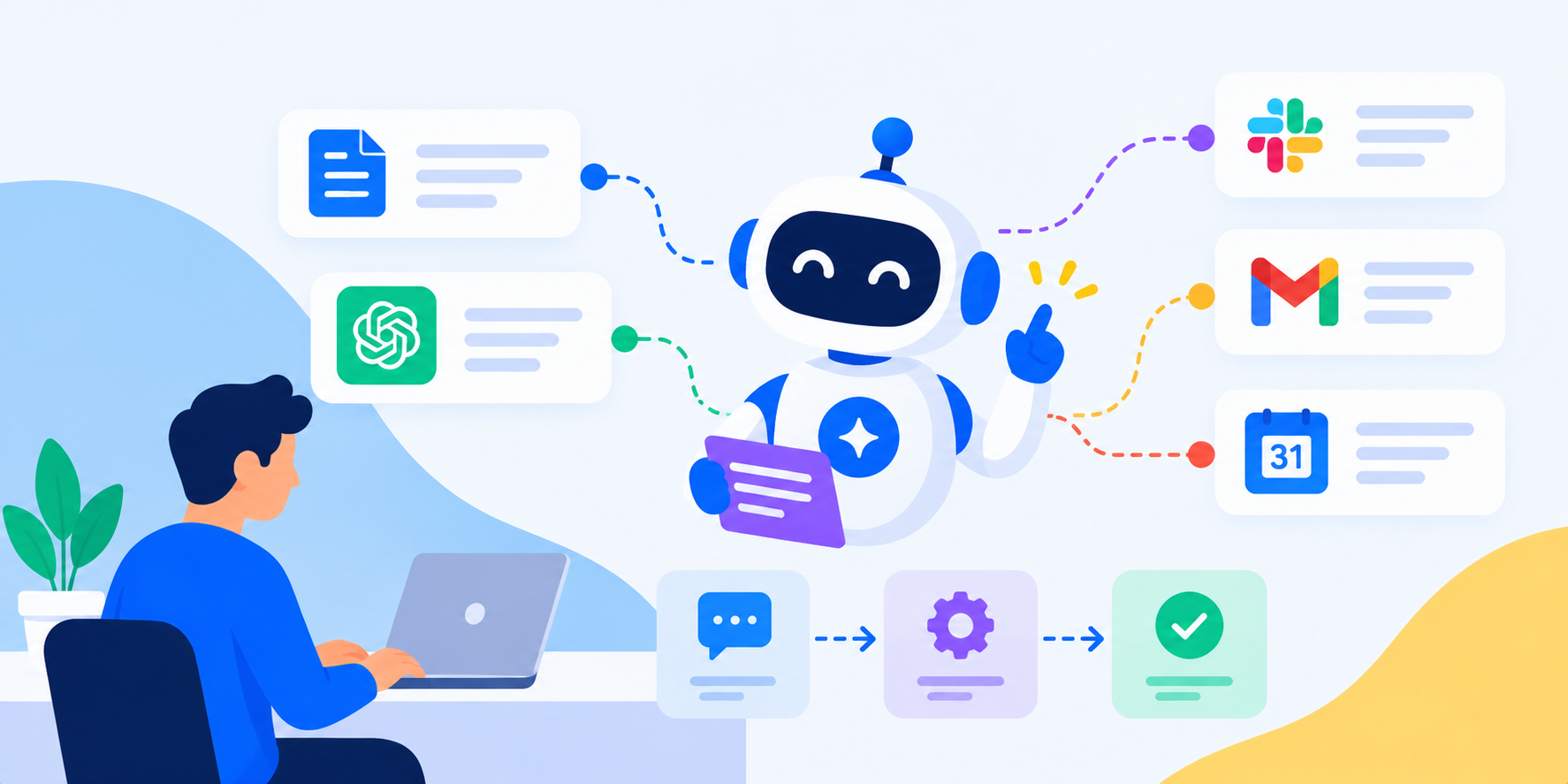
AI Agent Development Company
Build production-ready AI agents that understand context, use tools, retrieve knowledge, complete tasks, and work inside real business workflows with secure orchestration, human oversight, evaluation, and scalable infrastructure.
Learn more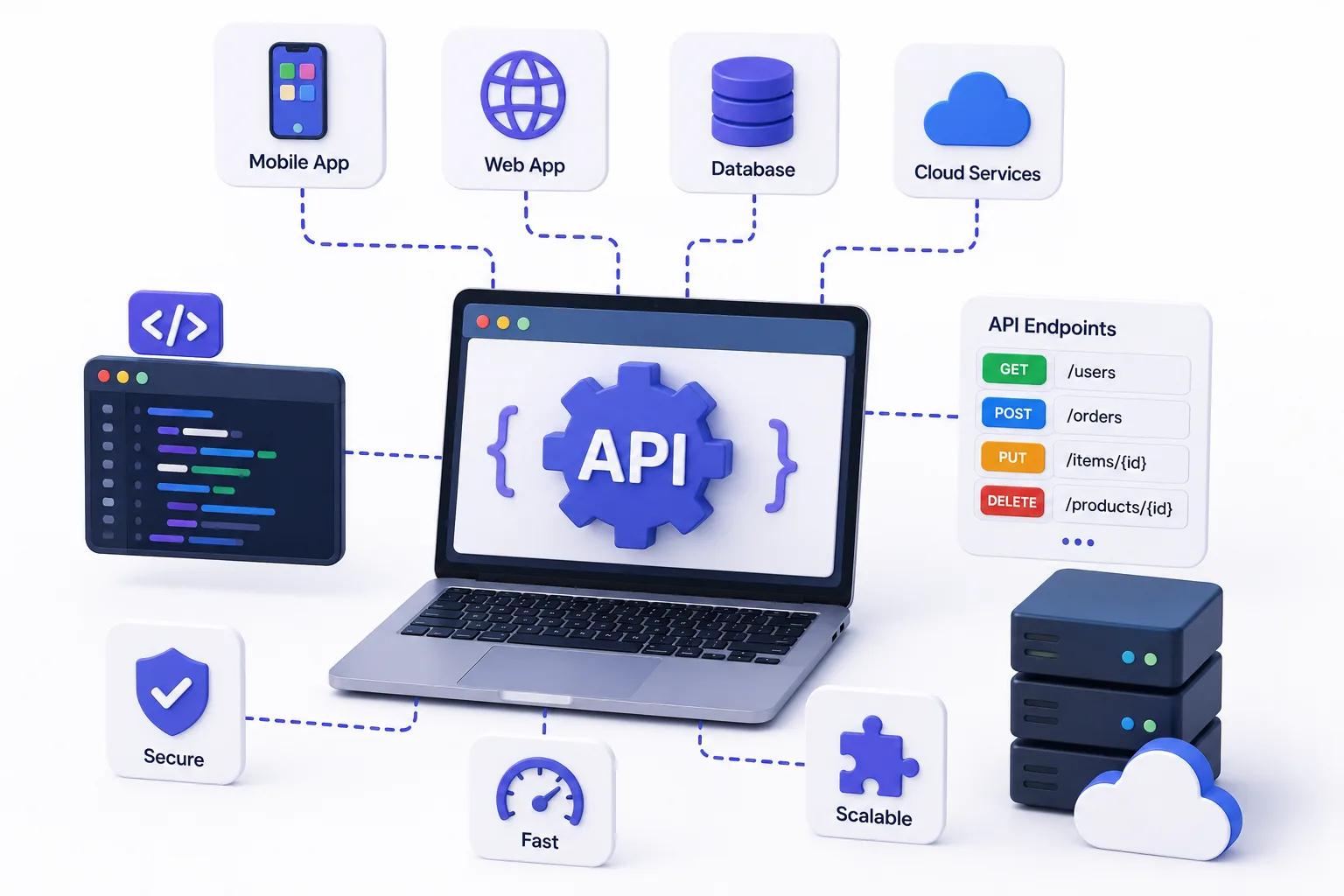
API Development Services
Build secure, scalable, and high-performance Web APIs, custom microservices integrations, and RESTful structures. Enterprise API development company delivering premium connector solutions.
Learn moreFrom Our Blog
Related AI Insights
 AI Product Engineering
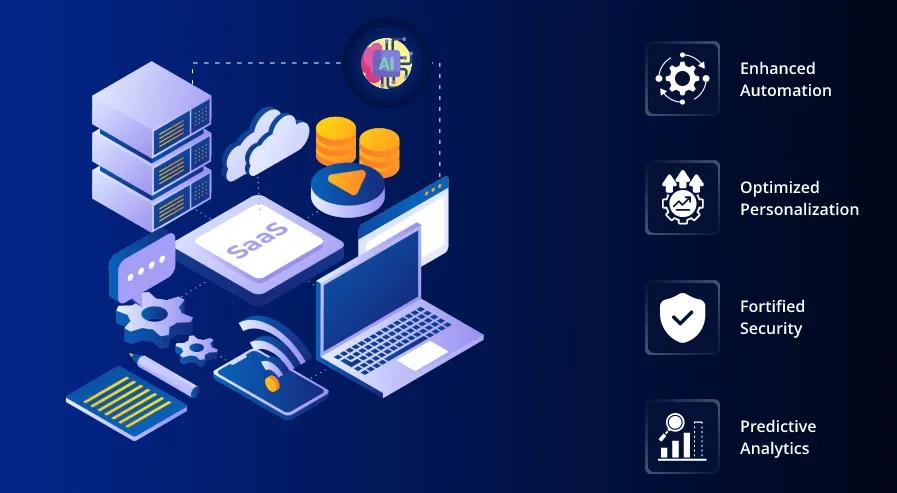
How AI Is Transforming Modern Software Development: 2026 Guide
AI is changing software development from code generation to agent-assisted engineering. This 2026 guide explains the business impact across planning, coding, testing, security, DevOps, architecture, product development and software delivery.
Read article AI Product Engineering
How AI Improves SaaS Platforms in 2026: A Practical Buyer’s Guide
AI is becoming a core product and engineering layer for SaaS—not simply a chatbot feature. This 2026 guide explains where AI creates measurable SaaS value across automation, personalization, analytics, support, security, engineering, cloud operations and multi-tenant products, plus architecture, costs, governance and adoption strategy.
Read article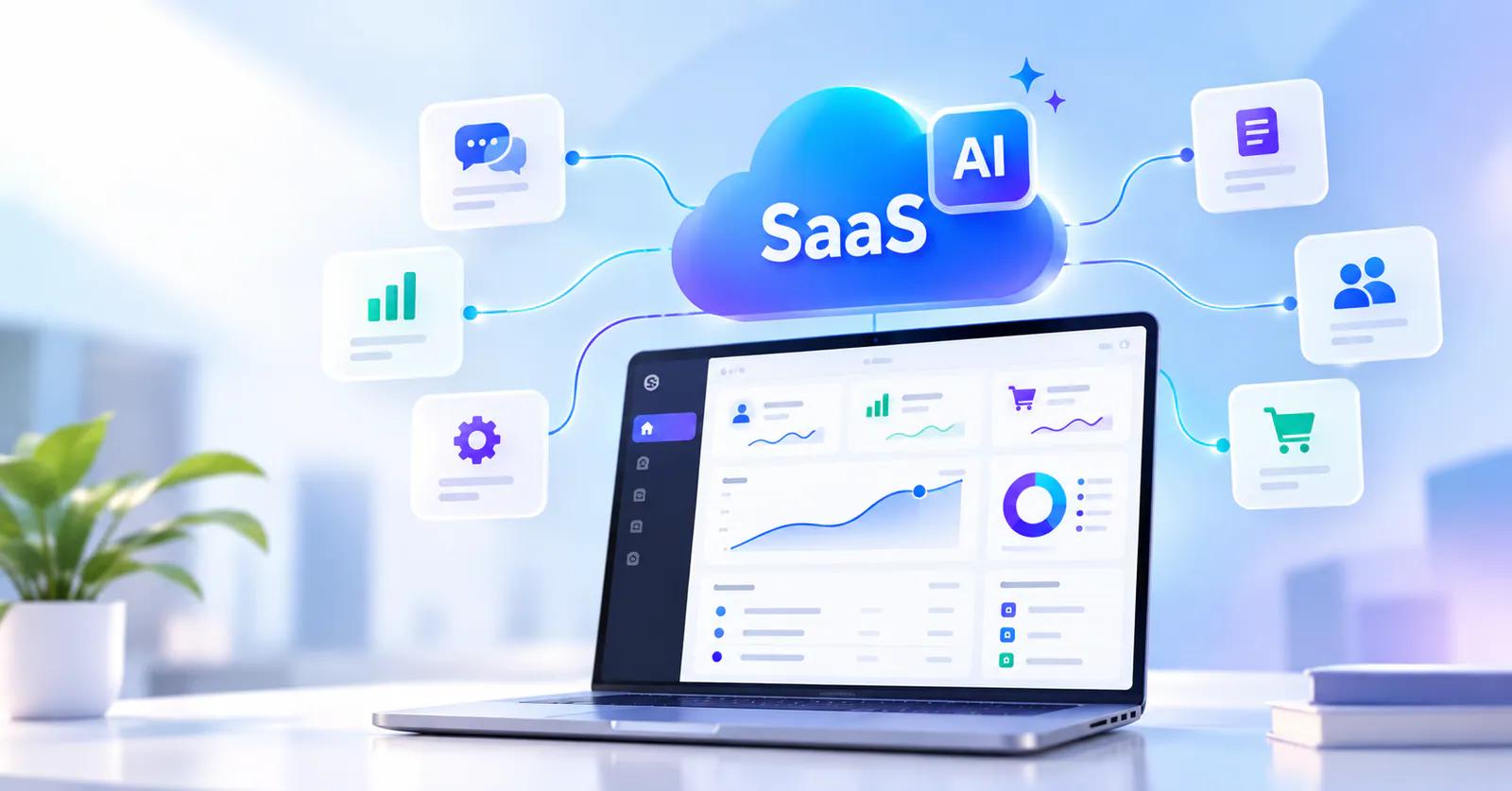 Artificial Intelligence
AI SaaS Solutions: How Intelligent Software Is Transforming Modern Business
AI SaaS solutions are changing how businesses automate work, understand data, support customers, and scale operations. This guide explains how AI-powered SaaS products work, where businesses can use them, what to consider before building one, and how a custom AI SaaS product can become a long-term business asset.
Read articleFrequently Asked Questions About AI Integration Services
Common questions businesses ask before connecting AI to existing software and workflows.
Ready to Add AI to the Software You Already Have?
Tell us what your current application, data, and workflow look like. We can help identify where AI integration can create practical value and what architecture is required to take it into production.
Ready to Transform Your Business?
Get started with our intelligent digital solutions. Our team is ready to help you unlock the power of AI-driven technology.
Send us a message
Fill out the form below and we'll get back to you within 24 hours
Contact Information
Reach out to us through any of these channels